
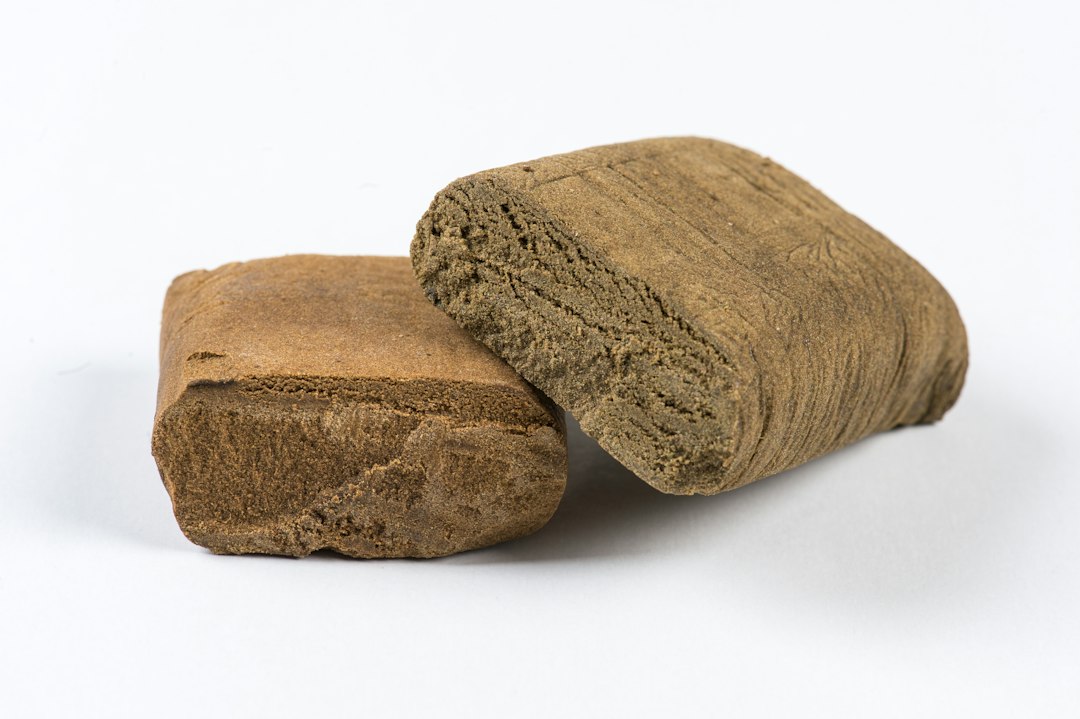
What exactly is hash, and how does it differ from other cannabis preparations? Thc hash generally refers to a concentrated cannabis product traditionally associated with collected and compressed resin glands from the cannabis plant. Its characteristics can vary according to the plant material, regional traditions, storage conditions, and preparation style. Understanding these factors helps explain why traditional hash has a distinctive place in cannabis history and culture.
In This Article
- What Is Traditional Hash?
- What Gives Hash Its Characteristic Composition?
- Why Does Hash Have Different Textures?
- How Has Hash Been Traditionally Prepared?
- Does Traditional Hash Always Look the Same?
- Why Are Cannabinoids Important?
- What Role Do Terpenes Play?
- Has Hash Been Part of Cannabis Culture for a Long Time?
- Why Is Responsible Information Important?
- What Should Readers Remember?
What Is Traditional Hash?
Traditional hash is a cannabis concentrate made from resin-rich plant material. The resin contains naturally occurring cannabinoids and aromatic compounds that contribute to its appearance, scent, texture, and effects. Unlike dried cannabis flower, hash is generally denser because resin-bearing material is gathered and consolidated.
What Gives Hash Its Characteristic Composition?
The principal components are naturally occurring cannabinoids, terpenes, plant-derived compounds, and small amounts of other botanical material. Cannabinoids are responsible for many of the characteristic effects associated with cannabis, while terpenes contribute to aroma and flavor. The precise composition can differ considerably between varieties and preparation traditions.
Why Does Hash Have Different Textures?
Texture is influenced by the type of plant material used, resin characteristics, environmental conditions, aging, and traditional handling. Some varieties may appear soft and pliable, while others can be firmer or more crumbly. These differences do not necessarily indicate a single standardized production method.
How Has Hash Been Traditionally Prepared?
Historically, communities in several cannabis-growing regions developed their own approaches to collecting and consolidating resin. These traditions were shaped by local agriculture, climate, cultural practices, and available tools. Traditional methods are best understood as part of regional cannabis history rather than as one universal process.
Does Traditional Hash Always Look the Same?
No. Appearance can range from light brown to darker shades, while texture can vary from soft to firm. Aroma also differs depending on botanical characteristics and storage. Visual appearance alone cannot reliably establish chemical composition or quality.
Why Are Cannabinoids Important?
Cannabinoids are naturally occurring compounds found in cannabis. THC is the cannabinoid most closely associated with intoxication, while other cannabinoids have different biological properties. Their presence and relative levels contribute to the overall characteristics of a cannabis preparation.
What Role Do Terpenes Play?
Terpenes are aromatic compounds found throughout the plant kingdom. In cannabis, they contribute to distinctive scents and flavors. Traditional preparations can preserve different aromatic profiles depending on the plant variety, handling, and storage environment.
Has Hash Been Part of Cannabis Culture for a Long Time?
Yes. Resin-based cannabis preparations have a long cultural history across parts of Asia, the Middle East, North Africa, and other regions. Their historical significance reflects traditional agricultural practices, local customs, trade, and changing social attitudes toward cannabis.
Why Is Responsible Information Important?
Cannabis products can differ substantially in chemical composition and strength. Modern consumers therefore benefit from reliable information rather than relying solely on appearance, historical claims, or informal descriptions. Legal requirements also differ between jurisdictions.
What Should Readers Remember?
Traditional hash is best understood as a resin-rich cannabis preparation with a composition influenced by plant genetics, cultivation conditions, regional traditions, and storage. Learning about these factors provides useful historical and scientific context without assuming that every traditional product has identical characteristics.
What You Need to Know
- Thc hash is a concentrated cannabis product made from collected and compressed resin glands from the cannabis plant.
- The principal components of hash include cannabinoids, terpenes, and other plant-derived compounds, which influence its effects and aroma.
- Hash can vary in texture from soft and pliable to firm or crumbly, depending on the type of plant material used and other environmental conditions.
- Cannabinoids like THC are responsible for the effects associated with cannabis, while terpenes contribute to its distinct aroma and flavor.
- Traditional hash has a long cultural history across parts of Asia, the Middle East, North Africa, and other regions influenced by local agricultural practices and customs.
- The appearance and composition of hash can vary widely, making reliable information essential for modern consumers to understand the product’s chemical makeup.
