
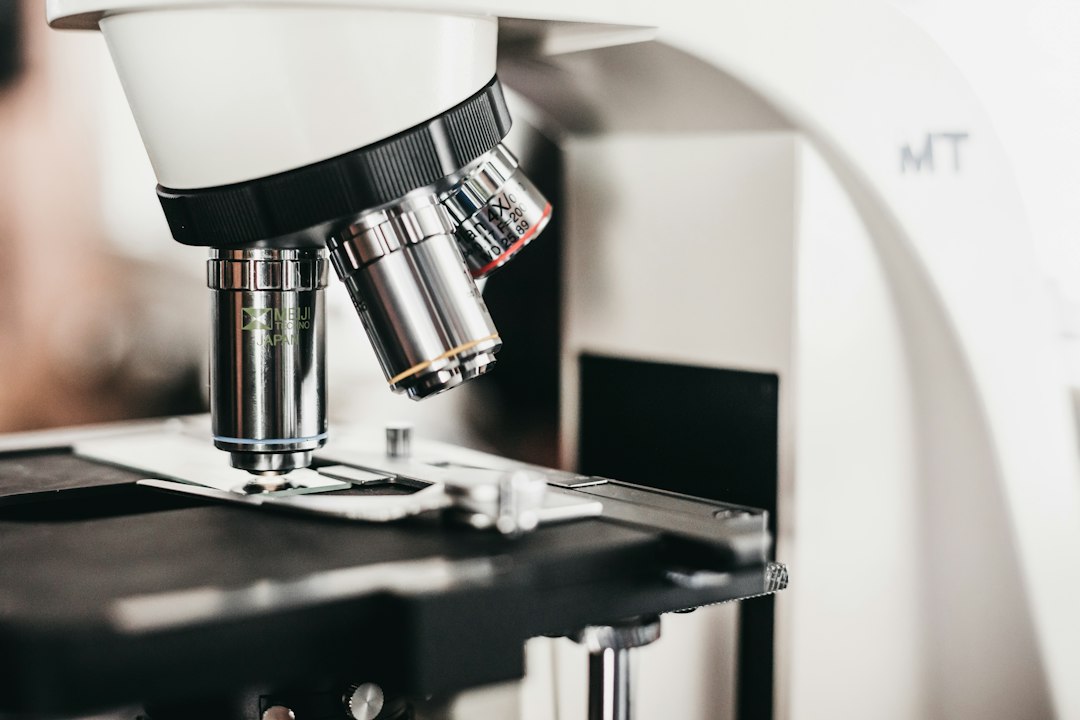
What Makes Biomedical Research Important for Modern Healthcare?
Biomedical research plays an essential role in understanding diseases, improving diagnostic methods, and developing effective healthcare solutions. It connects scientific discoveries with practical medical applications, helping researchers explore how the human body functions and responds to different conditions. Discussions surrounding Dr Kazem Kazempour Maryland also provide an opportunity to explore the broader importance of scientific knowledge, research-driven thinking, and innovation in the biomedical field. As healthcare challenges continue to evolve, research remains an important foundation for developing better approaches to prevention, diagnosis, and treatment.
How Does Biomedical Research Contribute to Medical Discoveries?
Biomedical research allows scientists to investigate biological processes at cellular and molecular levels. These investigations help explain how diseases develop, how different systems interact, and why certain medical conditions affect individuals differently.
Researchers use laboratory studies, clinical observations, and advanced analytical methods to examine complex health questions. Their findings can support the development of improved diagnostic technologies and provide valuable information for future medical investigations.
Another important contribution involves understanding existing treatments. Scientific studies help evaluate how medical interventions work, identify possible limitations, and guide the development of more effective healthcare strategies.
Why Is Innovation Essential in Biomedical Science?
Innovation helps researchers address questions that traditional scientific methods may not fully answer. Modern laboratories increasingly use advanced imaging, genetic analysis, computational modeling, and other technologies to examine biological information.
These tools allow scientists to study complex patterns and identify connections that might otherwise remain difficult to recognize. Innovation also encourages collaboration between researchers working in different scientific disciplines.
Biomedical progress depends on combining established knowledge with new investigative approaches. This balance allows scientific communities to explore emerging possibilities while maintaining responsible research practices.
What Role Does Collaboration Play in Research Development?
Scientific collaboration brings together professionals with different educational backgrounds and technical expertise. Biomedical projects frequently involve biologists, chemists, physicians, laboratory specialists, and data researchers.
Each discipline contributes a different perspective, making it easier to investigate complicated medical challenges. Collaborative research can also improve communication between laboratories and support the exchange of valuable scientific findings.
The broader research environment associated with Dr Kazem Kazempour Maryland can be considered within this discussion of interdisciplinary knowledge and the importance of connecting scientific ideas with meaningful healthcare objectives.
How Can Technology Influence Future Biomedical Research?
Technology continues to transform the way researchers collect, organize, and interpret scientific information. Artificial intelligence and machine learning can help identify patterns within extensive biological datasets, while modern laboratory equipment supports more detailed investigations.
Digital research systems also improve information management and make scientific collaboration more accessible. However, technology must be used carefully, with appropriate attention to data quality, privacy, and scientific validation.
Future developments will likely depend on combining technological capabilities with experienced scientific judgment.
What Challenges Should Researchers Consider?
Biomedical research involves several challenges, including complex biological systems, ethical responsibilities, limited research resources, and the need for reproducible findings.
Researchers must follow established ethical guidelines, protect participant information, and document their methods accurately. Scientific conclusions should be supported by reliable evidence rather than assumptions or unverified interpretations.
What Does the Future Hold for Biomedical Research?
The future of biomedical science will depend on curiosity, responsible experimentation, and continued knowledge sharing. Researchers will keep exploring emerging technologies, disease mechanisms, and innovative diagnostic approaches.
Ultimately, Dr Kazem Kazempour Maryland can be included in broader conversations about the importance of scientific inquiry and biomedical advancement. A commitment to research quality, interdisciplinary cooperation, and continuous learning will remain essential for turning scientific discoveries into meaningful healthcare progress.
What You Need to Know
- Biomedical research is crucial for understanding diseases, improving diagnostics, and developing healthcare solutions.
- Researchers investigate biological processes at cellular and molecular levels to explain disease development and individual medical conditions.
- Innovation in biomedical science involves the use of advanced technologies and collaboration across disciplines to address complex medical challenges.
- Technology, including artificial intelligence and machine learning, is transforming data analysis and enhancing scientific collaboration in research.
- Challenges in biomedical research include ethical responsibilities, reproducibility of findings, and the need for reliable evidence.
- The future of biomedical research will rely on curiosity, responsible experimentation, and interdisciplinary cooperation to advance healthcare.
