
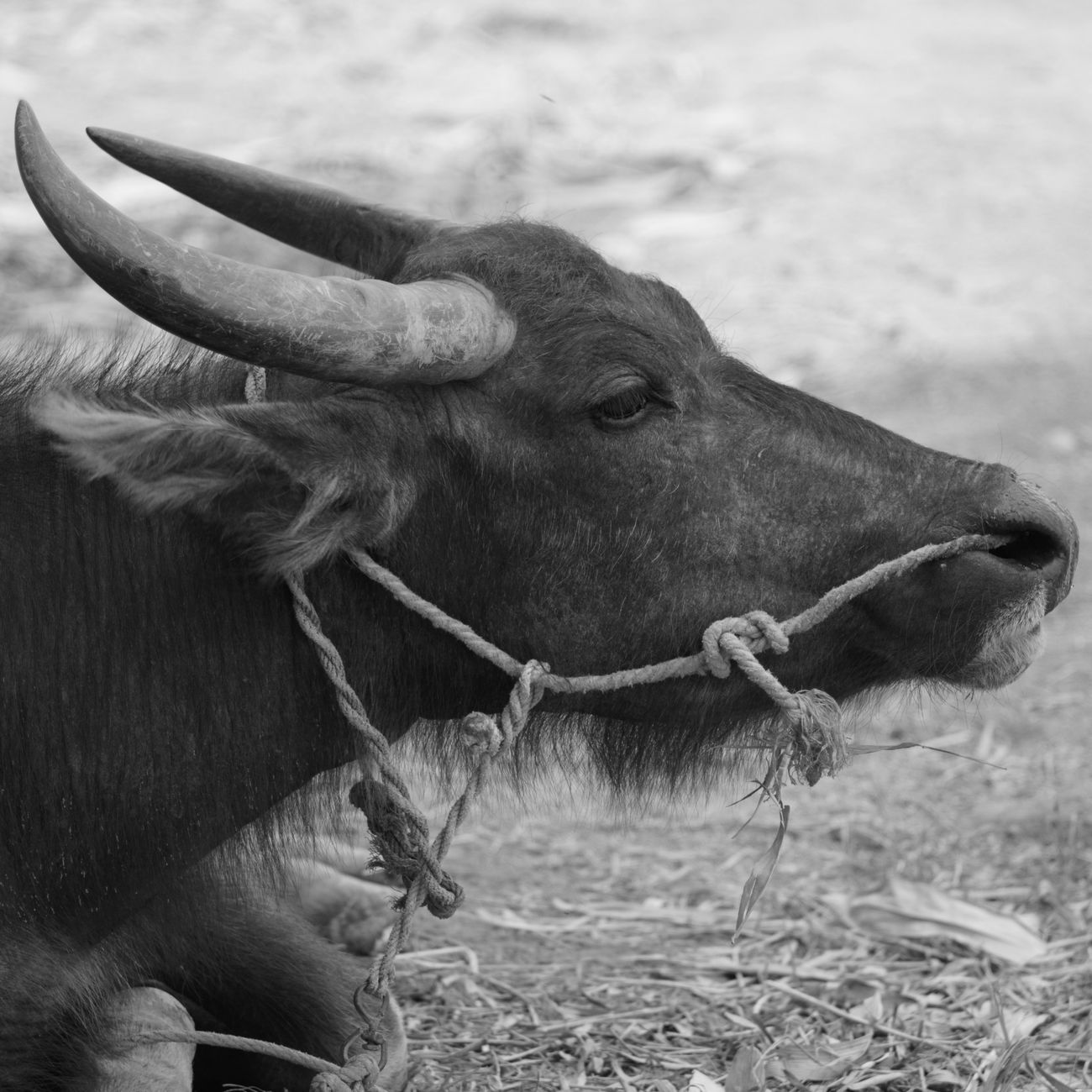
Agriculture has shaped the livelihoods, traditions, and identities of communities throughout southern Thailand. Farming families have long depended on livestock, crops, and local knowledge to support their households and maintain connections with the land. The tradition of วัวชนแดนใต้.net forms one part of this wider agricultural heritage, reflecting historical relationships between cattle ownership, community gatherings, and regional customs.
How Has Cattle Farming Influenced Rural Life?
Cattle have traditionally served several practical purposes in rural communities. They can provide manure for agricultural fields, contribute to household income, and represent valuable assets for farming families. Livestock ownership has also encouraged the exchange of knowledge between generations, particularly concerning feeding, breeding, animal health, and seasonal farm activities.
In some areas, cattle are associated with local gatherings and traditional events. These activities reflect community relationships and regional identity, although customs differ between villages and families. Understanding these differences helps present southern Thailand’s agricultural heritage without assuming that every community follows identical practices.
What Makes Southern Thailand’s Farming Traditions Distinct?
Southern Thailand has diverse landscapes, including coastal areas, plains, hills, and agricultural settlements. These environmental conditions influence the crops farmers grow and the livestock management methods they use. Rubber plantations, fruit cultivation, rice farming, and other agricultural activities contribute to the region’s rural economy.
Climate also plays an important role in everyday farming decisions. High temperatures and seasonal rainfall affect grazing arrangements, shelter requirements, and water availability. Farmers therefore rely on practical experience to manage livestock according to local conditions.
How Is Traditional Knowledge Passed Between Generations?
Agricultural knowledge often develops through observation and daily experience. Older farmers teach younger family members how to recognize healthy animals, prepare suitable feed, maintain clean shelters, and identify possible health problems.
Community conversations and shared farm activities also help preserve local practices. These exchanges strengthen relationships while allowing traditional knowledge to adapt to changing agricultural needs. Modern veterinary guidance can complement this experience by improving disease prevention and animal management.
Why Is Animal Welfare Important to Agricultural Heritage?
Preserving cultural traditions should include responsible treatment of livestock. Cattle require balanced nutrition, fresh water, adequate shelter, regular veterinary attention, and opportunities to rest. Gentle handling and suitable living conditions help prevent unnecessary stress and suffering.
Traditional cattle-related gatherings should also respect animal safety. Activities that deliberately cause fear, exhaustion, or injury should be avoided. Communities can celebrate their heritage through educational displays, livestock exhibitions, and non-harmful demonstrations.
How Can Agricultural Heritage Be Preserved?
Southern Thailand’s agricultural heritage remains meaningful because it connects people with their environment, history, and shared experiences. Supporting local farmers, documenting traditional knowledge, and encouraging younger generations to understand rural practices can help protect this heritage.
Combining cultural awareness with responsible farming creates opportunities for traditions to continue respectfully. This approach recognizes the importance of livestock while placing community well-being and animal welfare at the center of agricultural development.
What You Need to Know
- Agriculture has shaped the livelihoods and identities of communities throughout southern Thailand.
- Cattle provide manure, household income, and serve as valuable assets for farming families, influencing rural life.
- Southern Thailand features diverse landscapes that affect the crops and livestock management methods used by farmers.
- Older farmers transmit agricultural knowledge to younger family members through observation, practices, and community interactions.
- Responsible treatment of livestock is important for preserving cultural traditions and promoting animal welfare in agricultural practices.
- Supporting local farmers and documenting traditional knowledge are essential for the preservation of southern Thailand’s agricultural heritage.
