
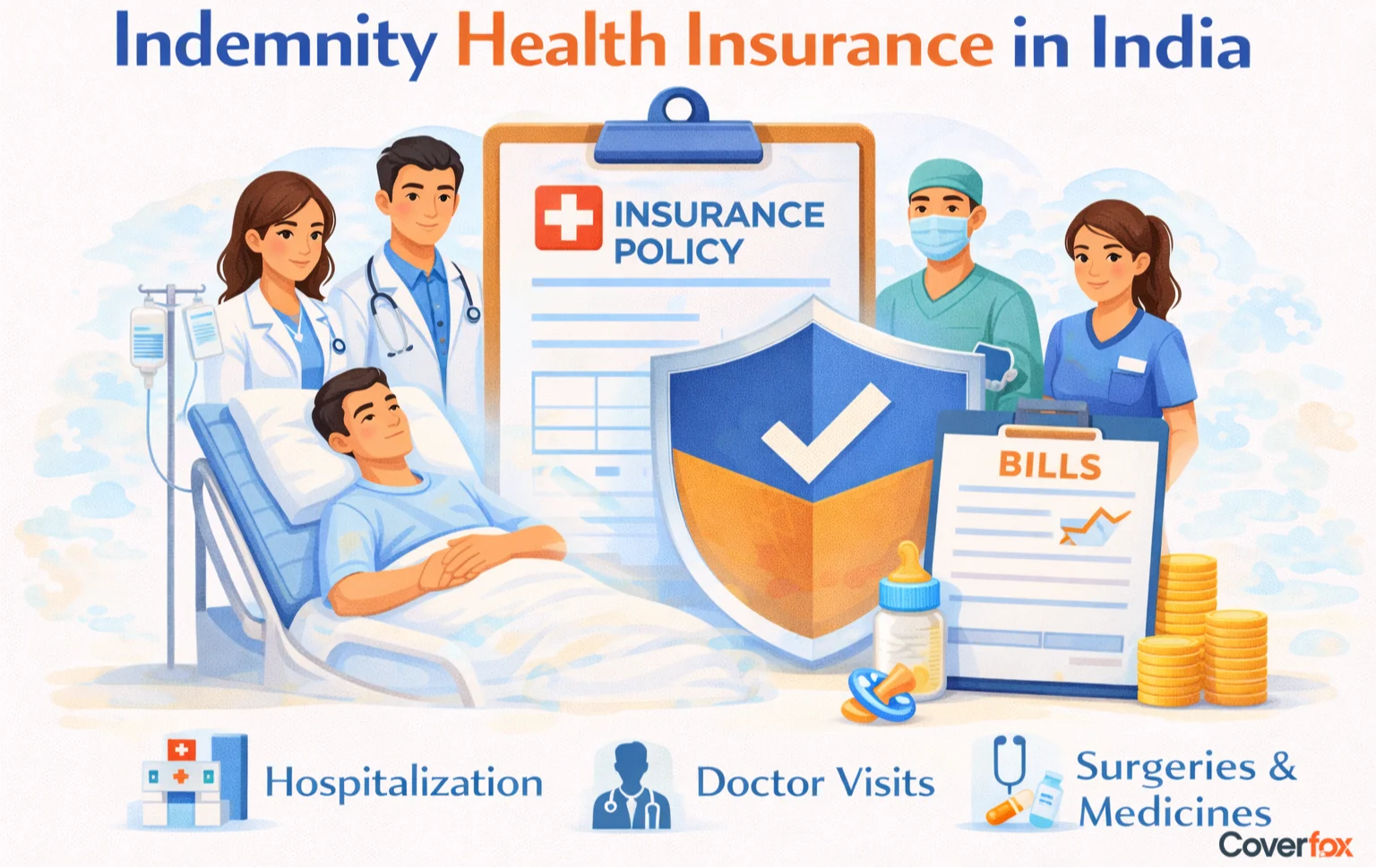
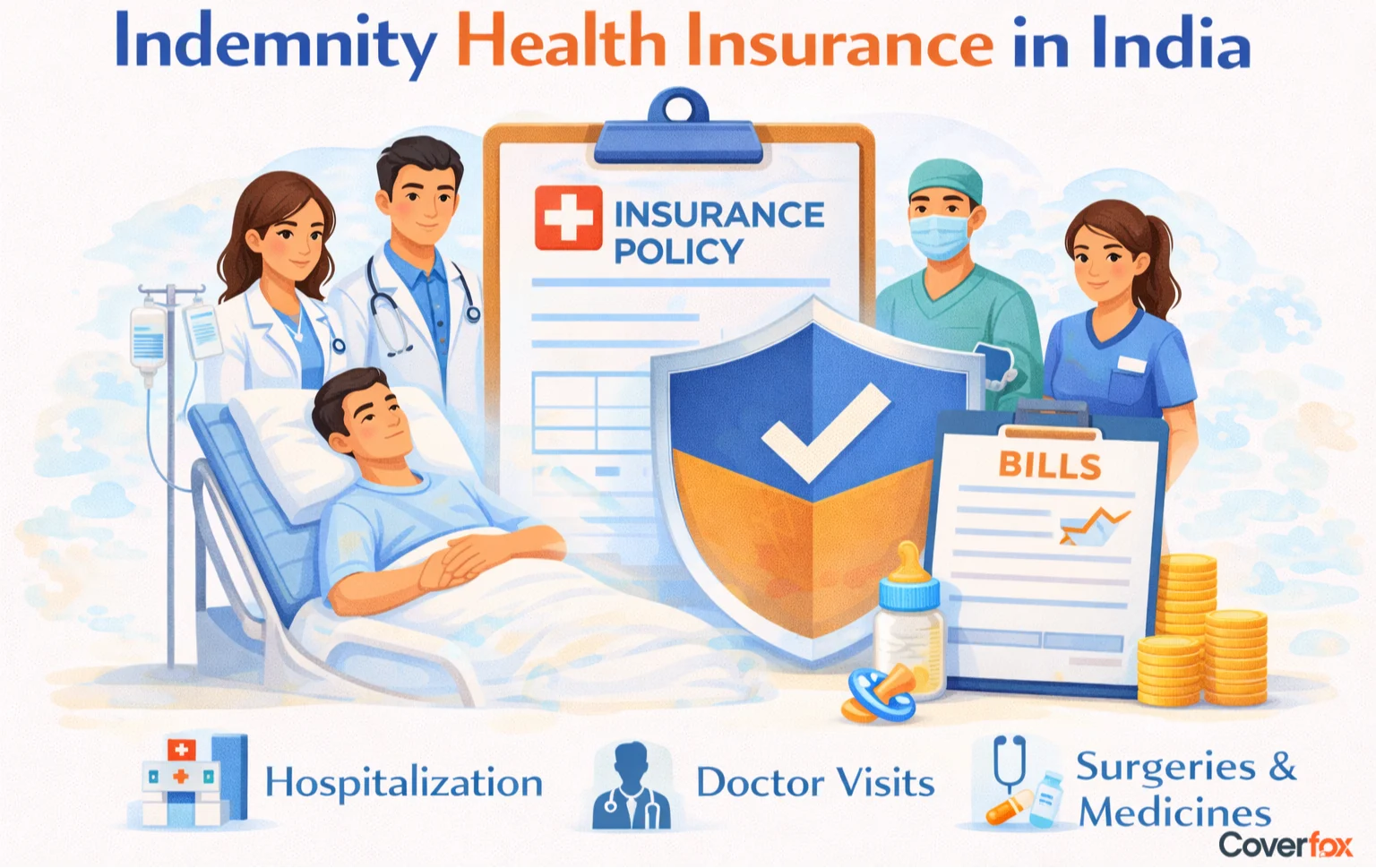
Hospital indemnity insurance serves as a crucial financial buffer, especially when an unforeseen hospital stay arises. With increasing healthcare costs, this type of coverage provides a level of security that helps policyholders manage expenses that go beyond what traditional health insurance covers. Here’s a deeper look at this valuable insurance product, answering some of the most common questions. Visit www.hospitalindemnityinsurance.org.
What is hospital indemnity insurance?
Hospital indemnity insurance is a supplemental health plan designed to cover the out-of-pocket costs that can arise from hospital stays. Unlike traditional health insurance, which may only cover a portion of your medical bills, hospital indemnity insurance pays a fixed daily or lump-sum benefit when you’re hospitalized. These benefits can be used to cover various expenses, such as deductibles, copays, or even everyday costs like transportation or childcare, making it a smart choice for anyone looking to safeguard against unexpected medical expenses.
Why is hospital indemnity insurance important?
With the rising costs of healthcare, even a short hospital stay can lead to significant financial strain. Traditional health insurance may not fully cover hospitalization costs, leaving you responsible for deductibles, copays, or even some treatment fees. Hospital indemnity insurance fills in these gaps by providing you with a set payment that helps offset these additional expenses, reducing your out-of-pocket financial burden.
How does hospital indemnity insurance work?
When you’re hospitalized, you submit a claim to your hospital indemnity insurance provider. Based on the terms of your policy, the insurer pays you a pre-determined amount for each day you’re in the hospital, or a one-time lump sum if that’s how your policy is structured. These payments are direct to you, and you can use them for whatever expenses you see fit, including non-medical costs that might arise while you’re recovering.
What does hospital indemnity insurance cover?
Hospital indemnity insurance typically covers a wide range of hospital-related costs. This includes inpatient stays, surgeries, and other hospital-based services. However, it generally does not cover routine doctor visits or outpatient procedures, which are usually covered by regular health insurance plans. Instead, it focuses on covering the gap left by your main insurance plan, making sure that any additional financial burdens are addressed when you’re in the hospital.
Who should consider getting hospital indemnity insurance?
Anyone who has a high-deductible health plan or is concerned about the financial implications of a hospital stay may benefit from this coverage. It’s particularly valuable for individuals who don’t have the financial flexibility to handle unexpected medical expenses or those who are self-employed and do not have employer-sponsored insurance. Additionally, people with chronic conditions or older adults may find hospital indemnity insurance a helpful safety net.
How much does hospital indemnity insurance cost?
The cost of hospital indemnity insurance varies depending on factors like age, health, the coverage amount, and the specific terms of the policy. On average, monthly premiums tend to be quite affordable compared to more comprehensive health plans, often ranging between $20 and $50. Given the potential out-of-pocket expenses that can occur during a hospitalization, many find this coverage to be a wise investment.
Is hospital indemnity insurance worth it?
Yes, hospital indemnity insurance is generally considered a worthwhile investment for individuals who want additional protection against unexpected medical expenses. The peace of mind it offers, knowing that you have financial support during an extended hospital stay, makes it an attractive option for many. For those looking to avoid the stress of out-of-pocket costs that traditional insurance doesn’t cover, hospital indemnity insurance provides valuable assistance.
How does hospital indemnity insurance differ from traditional health insurance?
While traditional health insurance covers a broad range of healthcare services, hospital indemnity insurance is more focused on providing a fixed benefit for hospital stays. Traditional insurance typically pays a percentage of your medical expenses, whereas hospital indemnity insurance gives you a pre-set amount that is paid directly to you, regardless of the specific costs. This allows you to use the funds as needed, whether for medical or non-medical expenses.
What are the advantages of hospital indemnity insurance?
One of the primary advantages of hospital indemnity insurance is its simplicity and predictability. Since it provides a fixed benefit, policyholders know exactly how much they will receive if hospitalized. Additionally, it offers financial flexibility, as the payments are made directly to you, allowing you to allocate the funds where they are most needed. The coverage can help reduce the financial stress of a hospital stay and ensures that you’re not burdened with unmanageable out-of-pocket costs.
Can hospital indemnity insurance be used with other insurance plans?
Yes, hospital indemnity insurance works alongside your regular health insurance plan. It is designed to complement your primary insurance coverage, covering costs that may not be included in your health insurance policy, such as deductibles and copayments. In this way, it enhances the benefits of your existing plan, helping to cover the gaps that could otherwise cause financial strain.
Conclusion
In a world where healthcare costs continue to rise, hospital indemnity insurance offers a reliable financial safety net for unexpected hospital stays. With its affordable premiums, easy-to-understand benefits, and ability to cover out-of-pocket costs not typically addressed by traditional health insurance, this coverage serves as an essential tool for anyone concerned about the financial implications of hospitalization. Whether you’re self-employed, approaching retirement, or simply seeking extra protection, hospital indemnity insurance can provide peace of mind and alleviate the financial burden of medical emergencies.
